

Why MEV Protection and Smart-Simulated Transactions Matter for Your Next Multi-Chain Wallet
Whoa! This whole MEV conversation got messy fast. I remember the first time I watched a front-run on a DEX — my stomach dropped, then I got curious, then annoyed. My instinct said something felt off about every «cheap swap» I saw; fees ballooned and slippage looked like bait. But actually, wait—let me rephrase that: it wasn’t just bait, it was structural. MEV isn’t a bug; it’s an emergent market force. And if you use DeFi across multiple chains without the right tools, you are basically giving a casino a seat at your transactions table.
Here’s the thing. Most wallets still treat transactions as blind tosses into the mempool. The wallet signs, the user prays. That’s barely acceptable for hobby trades. For serious DeFi users — LPs, yield farmers, power traders — that approach is fragile. You need visibility before commit, and protection during routing. Short version: you want simulation, bundle-aware routing, and MEV-aware privacy patterns built into your multi-chain experience.
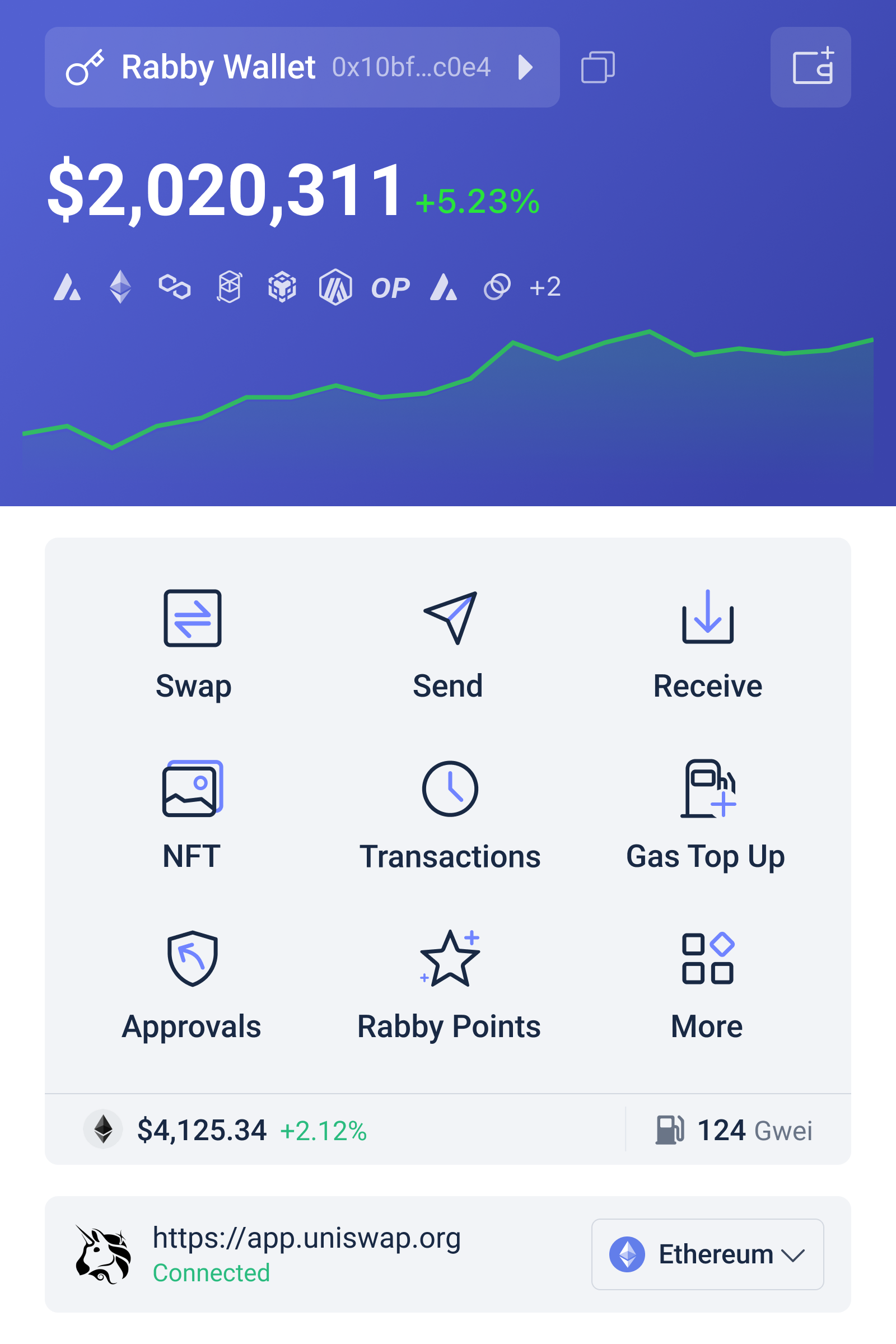
I’ll be honest: I’m biased toward tooling that lets me poke inside a transaction before I press send. I started using rabby for that very reason. It gives that extra breath of inspection — simulation on-chain-like conditions, gas and slippage previews, and clearer contract interactions. But more on that in a bit…
What MEV actually does to your trades (and why you should care)
Short answer: it extracts value from your order flow. Medium answer: searchers, bots, and sometimes miners/validators rearrange or insert transactions to capture profit. Long answer: because blockchain transactions are public before finalization, third parties can observe, predict, and act on pending transactions; they can sandwich, front-run, or reorg in ways that hurt the original sender, and those behaviors cascade across chains when bridges and routers are involved, putting multi-hop swaps at additional risk.
On one hand MEV enables liquidity and arbitrage — that part isn’t evil. On the other hand, though actually, it’s often predatory toward users who didn’t expect complex game theory to be part of their UX. Initially I thought better UX alone would fix this. But then I watched a cross-chain swap fail because the bridging step was mempooled and exploited. Oof. My mental model had to update: you need both UX and protocol-level countermeasures.
Transaction simulation: your pre-flight checklist
Okay, so check this out—simulate before you send. Really. Simulations should produce accurate gas estimates, show contract-level state changes, and flag reentrancy or approval risks. They should also estimate slippage under likely MEV pressure. Not just a toy dry-run; you want a realistic replay of what would happen if the tx hits a congested mempool. That alone can save you from losing 5-20% on a bad route.
How to judge a simulation? Look for three things: fidelity, context, and speed. Fidelity means the sim uses the same EVM semantics and pending-state assumptions. Context means it accounts for gas price dynamics and likely competing transactions. Speed matters because you need this right before signing — latency ruins usefulness. Some wallets skirt this by offering vague warnings; others, like the ones I’ve favored, show step-by-step changes so you can eyeball token flows and approvals.
Hmm… there’s a tiny tug-of-war here. Simulate too conservatively and you block valid trades. Simulate too loosely and you get false comfort. My recommendation is to prefer conservative simulation combined with adjustable risk tolerances. Let the user choose how aggressive they want the route to be.
Multi-chain complexity: routers, bridges, and the attack surface
Moving assets across chains introduces new failure modes. Bridges are ripe targets for both human error and MEV-style exploitation. Routers chop trades into parts and send them through DEXs with different latency profiles. Sometimes that means your swap executes across three mempools. That’s three opportunities to get sandwiched. It’s annoying, and honestly it bugs me when tooling glosses over that reality.
On the bright side, good multi-chain wallets account for that. They show per-hop visibility. They allow you to pick rail preferences (fast but expensive vs. slower & stealthy). They may also support bundle submission or private relays that reduce public mempool exposure. These techniques reduce the attack surface by making your tx less observable or reorderable by searchers.
Something else: bundling with mev-relays or private RPC endpoints can be a game-changer for large or sensitive transactions. But it’s not a silver bullet. Bundles require gas negotiation and sometimes counterparty trust. So yeah, there’s tradeoffs; it’s a nuanced decision, and you should have the option to pick your threat model.
Smart contract interactions: clarity beats ambiguity
Here’s what most wallets miss: they show a generic «Approve» page and call it a day. That’s not enough. Approvals, delegate calls, and multi-call transactions should be decomposed so you can see which contract does what. If a contract does implicit token transfers or relies on callbacks, you want an explicit preview.
When I inspect a contract call I want to see state diffs: token movements, balance deltas, storage writes if possible. And if the wallet offers human-readable mappings for addresses (like «Router V2» or «YieldVault»), that helps a ton. It’s one thing to sign an opaque hex blob; it’s another to sign a step with context.
Also: minimize approval surface. Use permit patterns where possible. If a wallet surfaces and encourages permit flows (EIP-2612), that’s a security plus. If a wallet nudges you to sign «infinite approvals» without a clear rationale, walk away—or at least tighten the allowance immediately after the action.
Real protections you should expect from a modern multi-chain wallet
Short list:
- Pre-execution simulation with mempool-aware assumptions.
- Per-hop visibility for multi-chain swaps and clear approval breakdowns.
- MEV-resistant routing options: private relays, bundle submission, or time-locked execution.
- Gas optimization plus safety margins so urgent txs don’t get eaten by sandwich bots.
- Clear UI for contract interactions and one-click revocations after use (or automatic revocation patterns).
Some wallets offer all of these. Some offer none. If your wallet lacks these, you’re flying blind. I’m not saying every user needs full pro features — but the option should be there, and it should be usable without being a rocket scientist.
Tradeoffs and the human bit
On one hand you pay for privacy and protection with complexity and sometimes cost. On the other hand you pay for ignorance with drain and frustration. I’m not 100% sure there is a perfect middle ground. But here’s the practical move: match the tool to the task. Small swaps? Basic mode. High-value or cross-chain trades? Turn on simulation and private routing. If you like automation, make sure it has sane guardrails.
Also—this is me being picky—education matters. Wallets that hide decision points and call everything «safe» are worse than ones that let users make informed risks. I’m biased toward transparency even when it’s a little messy. Users deserve to know what’s happening when they sign.
FAQ
How does simulation reduce MEV risk?
Simulations reveal how your transaction would behave in a realistic mempool state, showing slippage and potential sandwich outcomes. They don’t eliminate MEV, but they help you avoid high-risk execution paths by choosing different routes, adjusting slippage, or using private submission mechanisms.
Are private relays always better?
Not always. Private relays reduce public visibility, lowering certain MEV vectors, but they can add cost and require trust (or trusted infrastructure). They’re a strong option for large trades or when predictable execution matters most.
What should I look for in a wallet for smart contract interactions?
Clear call decomposition, approval management, simulation, and multi-chain clarity. Bonus if it supports permits (to avoid approvals) and easy revoke workflows. If the wallet helps you understand the contract behavior, it buys you safety.