

Why my browser wallet makes me nervous — and why Rabby Wallet still earns my trust
Whoa! Really? I’m not kidding when I say that, for most DeFi users, the browser extension wallet is the point where convenience and risk shake hands. My instinct said years ago that something felt off about trusting an extension with the keys to my on-chain life. At first, I thought any extension that stored a seed and showed a balance was «good enough,» but then I watched approvals go wild on a Saturday night and changed my mind. Okay, so check this out—wallets are small software pieces, but they sit between you and billions of dollars in protocols, and that proximity makes their security very very important.
Here’s the thing. Browser wallets face two extreme pressures at once. Short: they must be frictionless. Medium: they must be airtight. Long: they have to negotiate user experience, permission granularity, multi-chain support, and the ever-present threat of phishing or malicious DApps, and do it all while people are impatient and often in a hurry to sign the next shiny transaction.
I’ll be honest—some parts of the extension ecosystem bug me. I once saw a friend accidentally approve an infinite token allowance because the prompt was worded poorly. Oof. It was one of those late-night panic moments (oh, and by the way, there’s nothing like a 2 a.m. wallet panic to make you re-evaluate your threat model). My experience isn’t universal; still, it shaped how I evaluate wallets. Initially I focused on open-source code and audits, but then I realized operational features matter just as much—things like approval management, transaction simulation, and network handling. Actually, wait—let me rephrase that: code quality is necessary but not sufficient for day-to-day safety.
A practical take on what a secure wallet should do — and how rabby wallet fits
Short answer: it should reduce surprises. Medium answer: it should make approvals explicit, simulate risky transactions, and let you recover control quickly if something goes wrong. Long thought: it should also offer sensible defaults for new users while giving power users the tools to fine-tune gas, nonces, and connected site permissions, because attackers prey on default behaviors and on people who click fast when FOMO sets in.
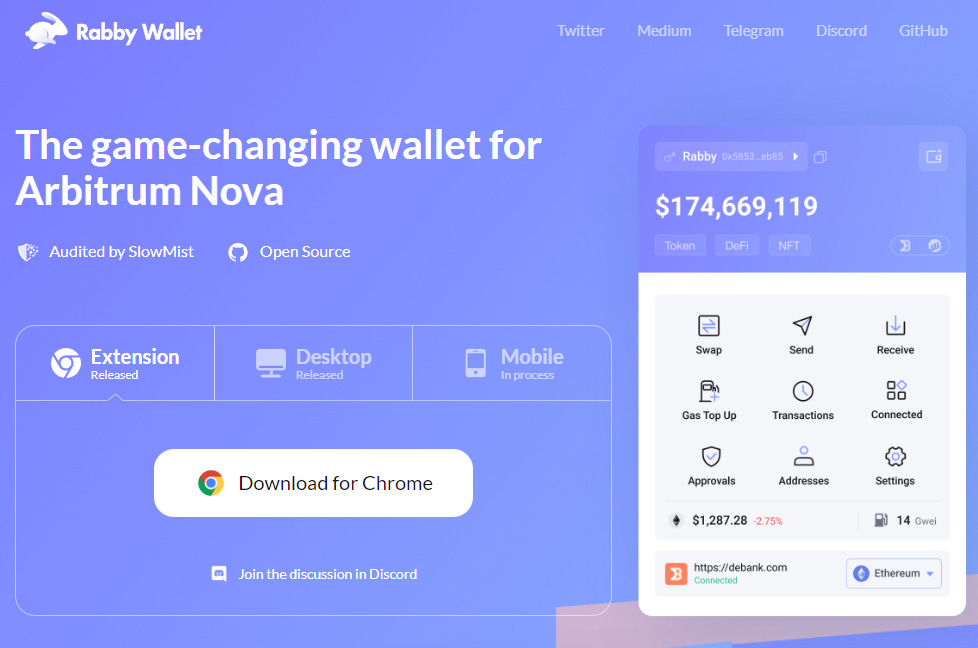
I’m biased, but features that I check for every time are approval revocation tools, real-time transaction previews, and per-site allowlists. These let you see what a signature will do before you accept it, and they let you say «no» to broad permissions without breaking your workflow. Rabby Wallet takes a pragmatic approach here—it’s designed with approval management and clearer signing UI in mind, which is why I link to it when I recommend a more cautious extension wallet approach. If you want to download Rabby, try rabby wallet for a look at how some of these ideas are implemented.
On the technical side, a good extension isolates secrets (the seed phrase), minimizes background permissions, and avoids unnecessary web access. In practice that means keeping the wallet extension lean, limiting RPC exposures, and ensuring that signature dialogs are context-rich: show the destination, amounts in fiat, the contract method being called, and the risks. Something felt off in early wallets because most of that context was missing. Today, wallets that add simulation layers or integrate with on-chain explorers to decode calldata are a step forward—though none of this is a silver bullet.
There are trade-offs. Short: more warnings can annoy users. Medium: more friction reduces mistakes but can lead to people disabling protections. Long: on one hand you want tight defaults to prevent accidental approvals, though actually that can push advanced traders to look for workarounds that compromise safety in other ways, so designers must balance clarity with flexibility.
Here’s a practical checklist I run through when evaluating any extension wallet. Short list first: can I export/import my seed safely? Is the source auditable? Medium detail next: does the wallet provide fine-grained approval revocation, hardware wallet support, and transaction simulation? Deeper thought: how does it behave under a compromised site scenario—does it allow session-based approvals, or does it default to global allowances? Those nuances matter more than flashy tokens or splashy UI.
On user habits: people often reuse the same address across many apps. That’s risky. My gut says we should use multiple accounts and treat one «hot» account like a daily driver, while keeping value in a cold or hardware-backed account. That sounds basic, but it’s hard to maintain in practice. I tried a multi-account workflow during a token launch and, lemme tell you, juggling approvals across tabs is messy. The right wallet will help you segment accounts and show clear provenance of approvals so you don’t accidentally give a DApp control of your entire balance.
Phishing remains the cardinal danger. Short: attackers spoof domains. Medium: they can copy UI components. Long: they can trick users into signing malicious transactions that look legitimate unless the wallet does a good job of decoding calldata and showing intent. Rabby and other modern wallets try to mitigate this by showing richer context and by providing avenues to whitelist trusted sites instead of blindly approving everything—small friction for a big safety gain.
Another angle is developer experience. If an extension is popular among builders, it tends to get more integrations, which is good for usability but increases the attack surface. So I watch the balance between ecosystem adoption and the wallet’s internal hardening: permission gating, signed extension updates, and community audits. This is where transparency and open-source matter—if you can’t inspect it, assume it’s a black box and treat accordingly.
Sometimes I go too far in the other direction. Seriously? I once refused to use any extension without hardware wallet support. That was impractical for most DApps. On the other hand, using a hardware-backed session for high-value approvals and a software key for low-risk interactions seems like a workable compromise. On one hand it’s slower—though on the other, it dramatically reduces catastrophic loss risk. Humans are impatient, but security often requires a small patience tax.
Look, there’s no perfect answer. Every approach has trade-offs. But if you’re picking an extension wallet, prioritize these things: clear signing UI, approval management, optional hardware integration, and a small but active developer community. Those elements lower your chances of falling for the common traps.
FAQ
How do I reduce risk when using browser extension wallets?
Segment accounts: use one address for small daily activity and another for larger holdings. Revoke token approvals regularly. Use simulation and read calldata where possible. Consider a hardware wallet for high-value transactions. Avoid copying seed phrases into sites or apps, and double-check domain names before connecting—phishing is still the cheapest attack vector.
Is Rabby Wallet safer than other extensions?
Safety depends on features and on how you use them. Rabby Wallet emphasizes clearer approval flows and pragmatic UX choices that help reduce accidental approvals. No wallet is foolproof, but choosing one that offers approval management, transaction previews, and hardware support puts you on firmer ground.